Letter from the Minister
For in him all things in heaven and on earth were created, things visible and invisible, whether thrones or dominions or rulers or powers—all things have been created through him and for him. (Colossians 1:6)
One of my most memorable experiences as a teacher came each autumn during the harvest assembly. Young children would proudly process to the front clutching a tin or two of baked beans or canned soup, occasionally so close to its expiry date that one wondered whether it was really intended as a gift! With great seriousness and pride, they would add their contributions to a growing collection of groceries, which a chosen class would later deliver to a local care home before the end of the school day.
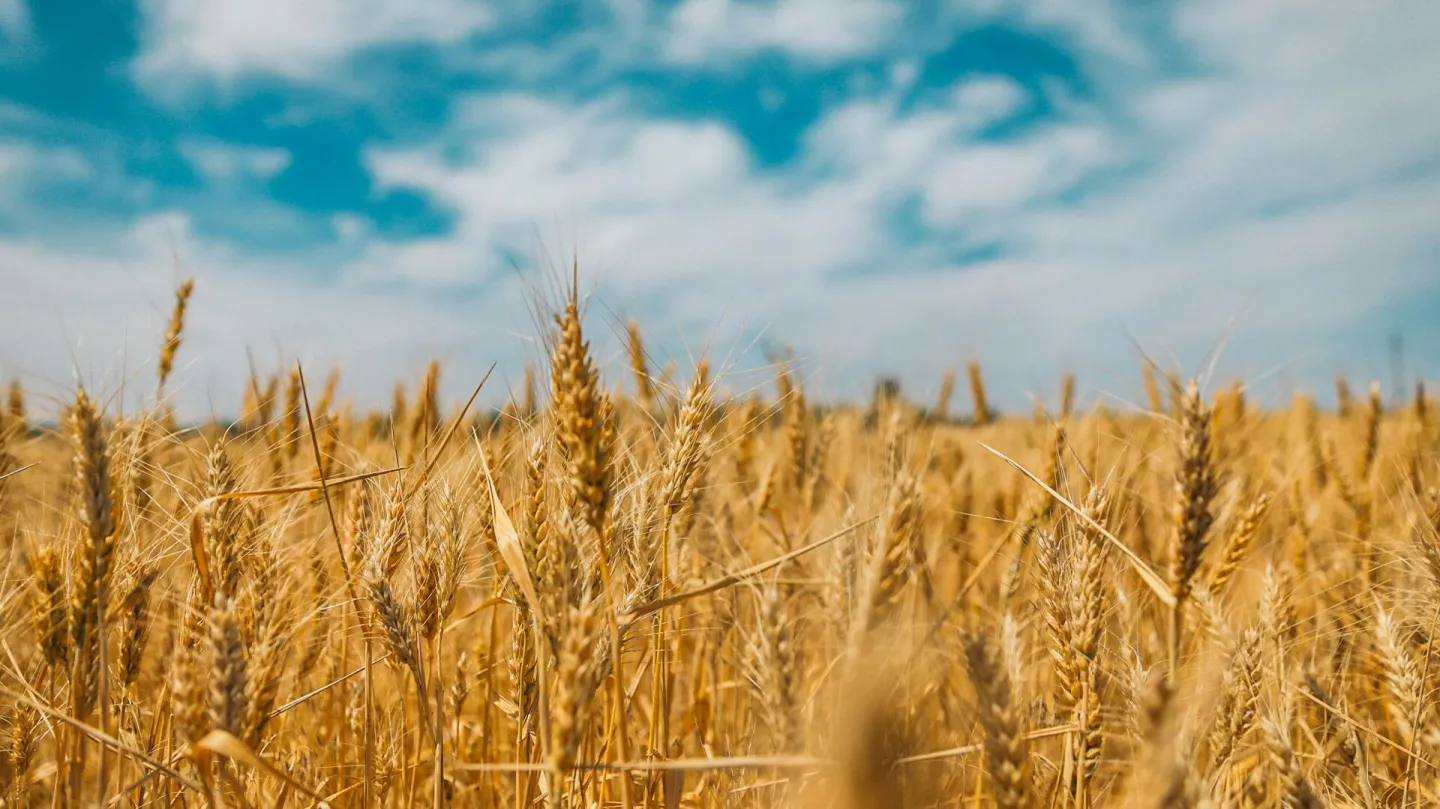
It is that time of year again, when churches and schools across the UK fill tables and baskets with tins, fruit and vegetables, sing about sowing, reaping and gathering, and give thanks for God's provision. Harvest Festival, with all its beauty and bounty, remains one of the few church traditions that still connects our everyday lives with the land and with God. While most of us no longer work the soil ourselves, many of us still find something deeply meaningful in this annual moment of pause and celebration: a chance to express our gratitude to the One through whom all things come into being; a chance to share with others, and to mark the changing seasons.
As we journey through Creationtide and prepare to celebrate Harvest, the words of Colossians 1:16 offer a helpful reminder: ‘‘for in him all things in heaven and on earth were created… all things have been created through him and for him.’’ Creationtide invites us to pause and notice the beauty, wonder and diversity of God's creation. The changing colours of autumn, the abundance of gardens and fields, and the intricate web of life around us, all speak of our Creator's handiwork.
The Colossians passage, alongside the creation stories in Genesis 1 and 2, teaches us that caring for creation is at the heart of Christian discipleship and mission. Creation belongs to Christ, in whom all things hold together and through him all creation continues to be renewed and sustained. Recognising this calls us to respond to God's love and care with gratitude, responsibility and a renewed commitment to care for the earth and its resources. In the words of Pope Francis, "As stewards of God's creation, we are called to make the earth a beautiful garden for the human family."
As we celebrate Harvest this year, may our thankfulness deepen our commitment to care for creation and to use its gifts wisely and generously, for the glory of God and the good of our neighbours.
May this season of Creationtide and Harvest renew our sense of wonder, gratitude and responsibility as we seek to care for God's world and share God's gifts with all.
Praise God for the harvest of mercy and love
from leaders and people who struggle and serve
for patience and kindness, that all may be led
to freedom and justice, and all may be fed. Brian Wren
Every blessing,
Georgina
Quick Links
Registered Charity no. 1184115
Get In Touch
01235 520282
office.allsaintsab@gmail.com
All Saints Methodist Church
Appleford Drive
Abingdon
OX14 2AQ
There is free parking in our car park behind the Church in Dorchester Crescent.